
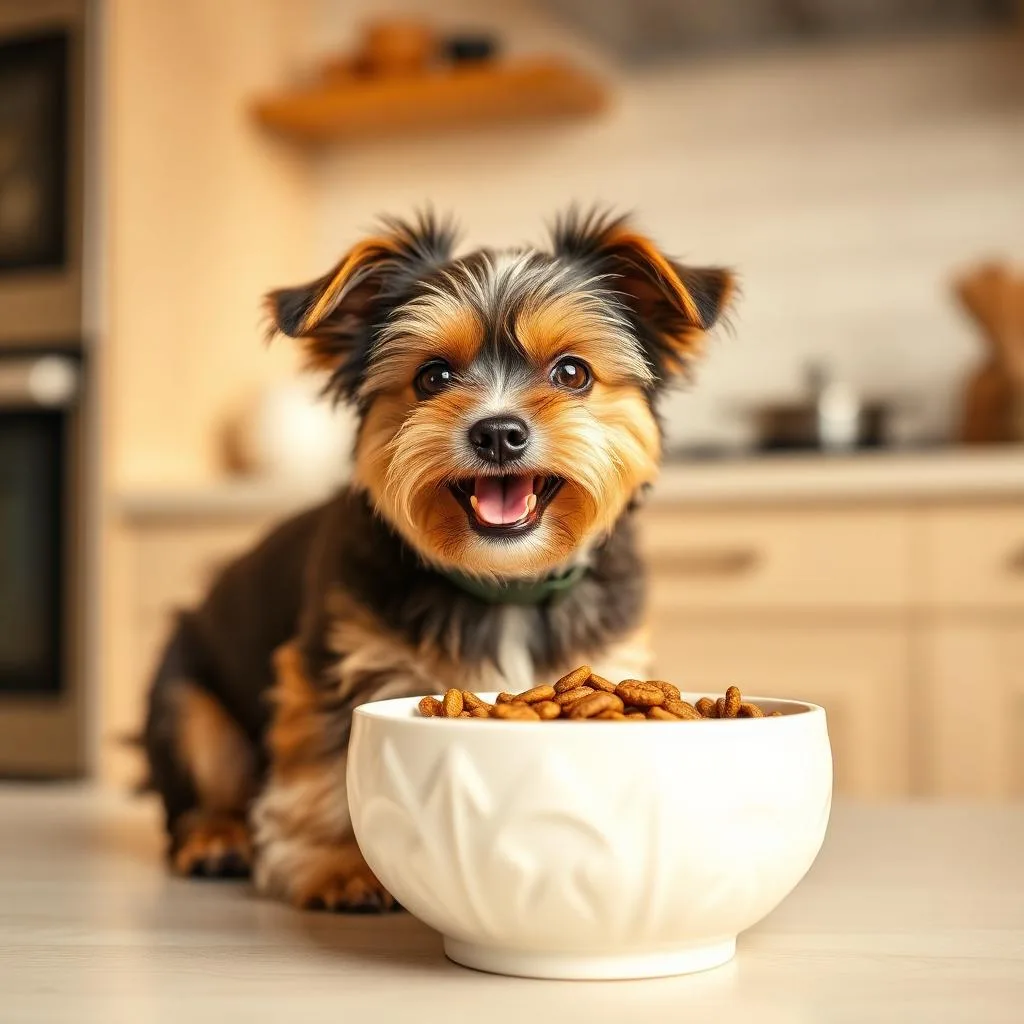
High-Energy Dog Food — Fuel for the most active
Food for active, sporting, working and hunting dogs. Sustained energy, muscle recovery and reinforced joints.
- 32% protein from fresh meat
- Omega 3-6 fatty acids for endurance
- L-carnitine and taurine for a healthy heart
- Reinforced joints with chondroitin and MSM
Fuel for dogs that never stop
A hunting dog in full season, an agility athlete or a working dog spend far more energy than a companion dog. Meeting that demand with a standard food forces you to give huge rations that the stomach cannot absorb well. The solution is a high-energy-density food: more calories and protein in every gram.
These recipes start from 32% fresh-meat protein to build and repair muscle, with quality fats as a source of sustained energy (the best performer in long efforts) and omega 3-6 for endurance and recovery.
Muscle and joints together
An active dog needs more than energy: it puts its joints under intense wear. That is why we add chondroitin and MSM to protect the cartilage, plus L-carnitine and taurine, which support heart function during exercise.
An important handling tip: do not give the main meal right before intense effort. Leave at least an hour between the large meal and the activity to reduce the risk of gastric torsion, especially in deep-chested dogs.
Our products
Preparing something special for your best friend
Frequently asked questions
Which dogs need a high-energy food?+
Hunting dogs, sporting dogs (agility, canicross, mushing), working dogs and very active individuals with high energy expenditure. A dog with normal activity does not need it: it would have surplus energy and could gain weight. In that case, a balanced adult food is better.
How much protein should an active dog's food have?+
For working or sporting dogs, a good target is a minimum of 28-32% quality animal protein, accompanied by high fat (15-20%) as the main source of sustained energy. These recipes are around 32% fresh-meat protein.
When should I feed if my dog is going to exercise intensely?+
Avoid the main meal right before the effort: leave at least an hour to reduce the risk of gastric torsion, especially in deep-chested breeds. After exercise, also wait until the dog has calmed down before the large meal.
Is this food useful outside the activity season?+
During rest or lower-activity periods, its high calorie density can be excessive and encourage weight gain. In those stages it is best to reduce the ration or switch to a maintenance adult food, and return to the energy formula when work or sport resumes.