

Adult Select
Alimento súper premium para gatos adultos con un 62% de carne fresca de pollo y pescado azul seleccionado. Su…
21,94 €5,49 €/kg
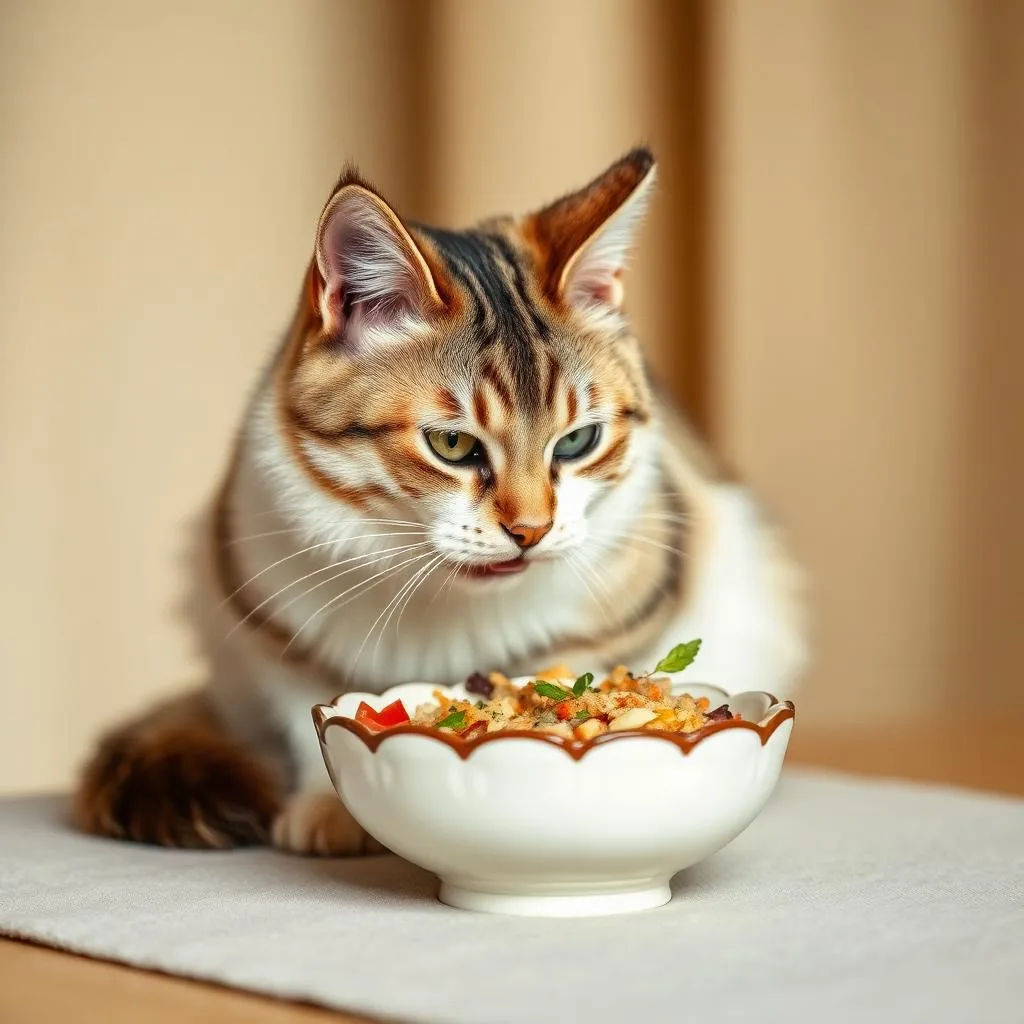
Cuida su tracto, día a día
Pienso para gatos con predisposición a problemas urinarios: bajo magnesio para controlar el pH urinario y prevenir cristales de estruvita y oxalato. Especialmente indicado para gatos esterilizados.
La enfermedad del tracto urinario inferior felino (FLUTD) es uno de los motivos de consulta más frecuentes en gatos. Señales de alerta: el gato orina poco y muchas veces, hace fuerza, se queja, orina fuera del arenero o aparece sangre en la orina. Un gato macho que no consigue orinar es una urgencia veterinaria inmediata.
La alimentación es una de las principales herramientas de prevención. Este pienso controla el magnesio y favorece un pH urinario equilibrado para dificultar la formación de cristales de estruvita y oxalato cálcico, con arándano como soporte natural.
El gato bebe poco por naturaleza, y una orina concentrada favorece los cristales. Estimula la ingesta de agua con fuentes, varios bebederos repartidos por la casa y, si tu veterinario lo recomienda, combinando con alimento húmedo.
El estrés también influye en la FLUTD idiopática: areneros limpios y suficientes, espacios tranquilos y rutinas estables ayudan tanto como la dieta. Ante síntomas urinarios, acude siempre al veterinario; el pienso previene y acompaña, pero no sustituye el diagnóstico.
3 productos encontrados
Alimento súper premium para gatos adultos con un 62% de carne fresca de pollo y pescado azul seleccionado. Su…

Alimento súper premium grain free para gatos esterilizados con salmón fresco como ingrediente principal y un…

Alimento súper premium para gatos esterilizados con tendencia al sobrepeso o metabolismo más lento. Formulado…
La FLUTD agrupa varias afecciones del tracto urinario inferior del gato (cristales, cistitis, obstrucciones). Un pienso urinario ayuda a prevenirla controlando el magnesio y promoviendo un pH equilibrado que dificulta la formación de cristales de estruvita y oxalato cálcico.
Los signos típicos son orinar poco y a menudo, hacer fuerza o quejarse al orinar, orinar fuera del arenero, lamerse en exceso la zona genital o tener sangre en la orina. Si un gato macho intenta orinar y no lo consigue, es una urgencia: acude de inmediato al veterinario.
Tras la esterilización suelen ser menos activos, beber menos y tener tendencia al sobrepeso, factores que concentran la orina y favorecen los cristales. Por eso muchos piensos urinarios y de esterilizados comparten enfoque: bajo magnesio, pH controlado y soporte con arándano.
Mucho. La hidratación es clave para diluir la orina y arrastrar los cristales. Ofrece agua fresca en varios puntos, valora una fuente para gatos y, si tu veterinario lo aconseja, combina el pienso con comida húmeda para aumentar la ingesta total de líquido.